


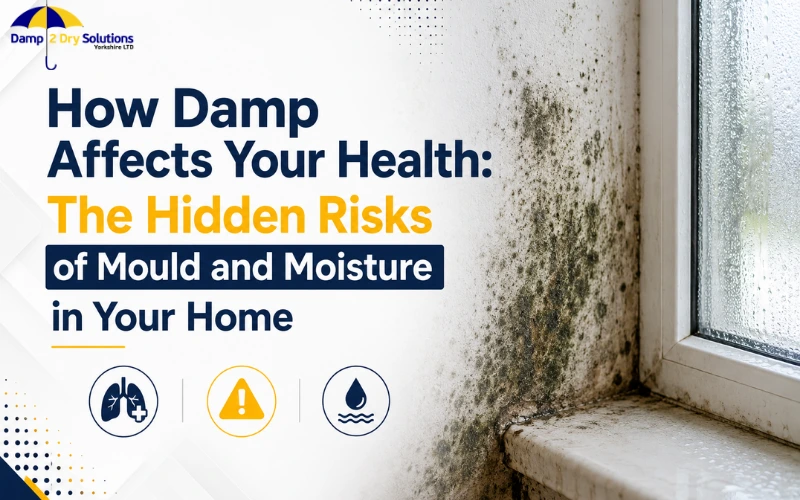
In many UK homes, damp is often dismissed as a cosmetic issue, something to repaint, wipe away, or ignore until it worsens. But the reality is far more serious. The presence of persistent moisture can significantly affect the air you breathe, the surfaces you live around, and ultimately your health.
The connection between damp and mould health risks is now well understood. When moisture builds up, mould thrives, releasing spores into the air. Over time, this affects indoor air quality mould exposure, creating an environment that can quietly impact your lungs, skin, and overall well-being.
So if you’ve ever wondered, “Is living in a damp house dangerous?”, the short answer is yes, especially when it goes untreated.
Key Takeaways
- Around 2 million people in England live in damp or mould-affected homes, where poor indoor air quality can contribute to long-term health problems.
- Rising damp, penetrating damp, and condensation are the main causes of moisture buildup in UK homes, all of which can encourage hidden mould growth.
- Damp and mould exposure has been linked to around 5,000 new asthma cases and 8,500 respiratory infections in England within a single year.
- Common warning signs include musty smells, recurring mould patches, condensation, coughing, wheezing, and symptoms improving when outside the home.
- Treating visible mould alone is rarely enough. Long-term protection requires fixing the moisture source through proper ventilation, structural repairs, or professional damp surveys.
How Does Damp Affect Your Health?
Damp affects your health by increasing indoor moisture levels, which encourages mould growth. Mould releases airborne spores that can trigger mould spores respiratory problems, allergies, skin irritation, and worsen existing conditions like asthma caused by damp home environments. Over time, prolonged exposure can reduce overall indoor air quality and impact long-term health.
What Causes Damp in Homes?
Damp in homes usually stems from three main sources, each behaving differently but all contributing to damp and mould health risks if left untreated.
Rising Damp
This occurs when groundwater moves upward through porous building materials like brick and mortar. This is more common in older UK homes where damp proof courses are missing or have failed. You’ll often notice it at lower wall levels, leading to peeling paint, salts, and eventual mould growth that can impact indoor air quality mould exposure.
Penetrating Damp
This type of damp comes from external water entering the structure. Damaged brickwork, leaking gutters, or roof defects allow rainwater to seep into walls. Unlike rising damp, it can appear anywhere, often worsening after heavy rainfall and contributing to hidden moisture pockets.
Condensation Damp
It is the most common cause of damp in UK homes. This forms when warm, moisture-laden air hits cold surfaces like windows or walls. This is especially common in kitchens and damp and mould in bedroom spaces during winter. Over time, this encourages mould growth, increasing the risk of mould spores respiratory problems and even asthma caused by damp home environments.
How Damp Actually Impacts Your Health (The Mechanism)
The health impact of damp isn’t immediate. It develops gradually through a chain reaction that affects both your home and your body:
- Moisture accumulates in walls, ceilings, and indoor air.
- Mould begins to grow on damp or cold surfaces.
- Mould releases microscopic spores into the environment.
- These spores spread through the airflow across rooms.
- You inhale them continuously, often without noticing.
This is where indoor air quality mould exposure becomes a real concern. Even when mould is hidden behind wallpaper, under flooring, or behind furniture, it continues releasing spores into the air.
Over time, this repeated exposure contributes to mould spores respiratory problems, particularly in enclosed areas like bedrooms, where exposure is prolonged overnight. Research shows that living in damp or mouldy homes is associated with increased risk of respiratory symptoms, infections, and worsening asthma.
According to the World Health Organization, occupants of damp buildings are at higher risk of developing breathing issues and allergic reactions.
What makes this more concerning is that the body doesn’t always react immediately. Instead, symptoms such as coughing, wheezing, or black mould symptoms tend to build gradually, making it harder to link them directly to the home environment.
Over time, the cumulative damp house effects on health can also contribute to conditions like asthma caused by damp home exposure, particularly in children and vulnerable individuals.
Health Risks of Damp and Mould
The health effects of living in a damp home vary and are often underestimated. Damp not only damages plaster, paint, timber, or insulation. It can also affect the air you breathe every day, especially when mould begins to grow and release spores indoors.
Around 2 million people in England are currently living in homes with significant damp and/or mould, representing 3 to 4% of all residences. Which means, they may be facing at least some of these health risks of damp and mould:
Respiratory Problems
Damp and mould mainly affect the airways and lungs. When mould grows on walls, ceilings, windows, or hidden surfaces, it releases tiny spores into the air. Breathing these in can irritate the respiratory system, particularly in people with asthma, allergies, COPD, or weaker immune systems.
Symptoms may include:
- Persistent coughing
- Wheezing
- Shortness of breath
- Chest tightness
- More frequent asthma attacks
- Repeated lower respiratory infections
This is one of the most serious damp and mould health risks, especially for children, older adults, and people already living with breathing conditions. It has affected and created 5,000 new cases of asthma and around 8,500 lower respiratory infections in England in a single year.
Allergic Reactions
Mould can also trigger allergic responses. These symptoms are often mistaken for a cold, hay fever, or seasonal allergies, but the real cause may be poor indoor conditions. If symptoms become worse at home and improve when you leave, damp could be part of the problem.
Symptoms may include:
- Sneezing
- Runny or blocked nose
- Itchy or watery eyes
- Sinus irritation
- Throat discomfort
- Skin sensitivity
These reactions happen because mould spores come into contact with the nose, eyes, throat, and skin. Over time, this can make the home feel constantly unhealthy.
Skin Irritation and Eczema
Damp homes can worsen existing skin conditions. Moisture, mould spores, and irritants in the air may aggravate sensitive skin, particularly in children or people with eczema. Research shows that visible damp and mould can increase eczema risk by 34 to 46%.
Symptoms may include:
- Itchy skin
- Redness
- Rashes
- Eczema flare-ups
- Dry or irritated patches
This is one reason damp house effects on health should not be dismissed as minor. The problem may begin with a wall stain, but it can affect day-to-day comfort.
Black Mould Symptoms
Black mould is especially concerning because it often grows in poorly ventilated, persistently damp spaces. It may appear around windows, ceilings, bathrooms, behind furniture, or in bedrooms.
Symptoms may include:
- Ongoing cough
- Wheezing
- Nasal congestion
- Eye irritation
- Headaches
- Fatigue
- Difficulty breathing in sensitive individuals
Not everyone reacts the same way, but repeated exposure can make existing respiratory problems worse.
Mental Wellbeing
Living with damp and mould can also affect how people feel emotionally. A musty, cold, and unhealthy home can create a bad environment for living, especially when mould keeps returning after cleaning. A 30-studies research has found that 87.5% of them found an association between damp, mould, and psychological effects.
Common effects may include:
- Stress about health and home safety
- Poor sleep quality
- Low mood
- Anxiety around worsening symptoms
- Frustration from recurring mould
This is why damp should be treated as both a property issue and an indoor health issue.
Who Is Most Affected By Damp and Mould Health Risks?
Damp and mould affect everyone, but some groups face far greater risk from damp house effects on health. In the UK, around 1 million children and 324,000 people aged 65+ live in damp homes, where poor indoor air quality mould exposure can cause faster, more serious health issues.
Groups most at risk include:
- Children and infants: developing lungs and immune systems make them highly sensitive to mould spores, respiratory problems
- Elderly individuals: weakened immunity increases the risk of infections and breathing difficulties
- People with asthma or allergies: exposure can worsen symptoms or lead to asthma caused by damp home conditions
- Individuals with respiratory conditions (e.g., COPD): higher likelihood of complications
- People with weakened immune systems: including those undergoing medical treatments such as chemotherapy
- Those living in consistently damp homes: prolonged exposure increases overall damp and mould health risks
Signs Your Damp Home May Be Affecting Your Health
You don’t always need obvious structural damage to recognise the damp house effects on health. In many cases, the warning signs are subtle and build gradually as indoor air quality mould levels worsen. Over time, these conditions can increase damp and mould health risks, even if the problem isn’t immediately visible.
Watch for:
- Persistent musty or earthy smells that don’t go away.
- Recurring mould patches, especially damp and mould in bedroom corners or behind furniture.
- Daily condensation on windows or cold walls.
- Symptoms improve when you leave the house.
- Early black mould symptoms, such as coughing, sneezing, or irritation.
These signs often indicate ongoing exposure to spores, which can lead to mould spores respiratory problems and even contribute to asthma caused by damp home environments. If these patterns sound familiar, it’s worth asking: Is living in a damp house dangerous? In many cases, the answer becomes clear through these early warning signals.
Common Mistakes That Make Damp Worse
Many homeowners unintentionally increase damp and mould health risks by focusing on short-term fixes rather than the root cause. Actions like cleaning visible mould without addressing moisture sources, blocking vents to retain heat, relying solely on dehumidifiers, or ignoring recurring condensation can all make the problem worse over time.
While these steps may improve appearance briefly, they fail to resolve underlying indoor air quality mould issues, allowing moisture and spores to persist and continue affecting your home environment.
How to Reduce Health Risks from Damp?
Reducing damp and mould health risks requires more than surface-level cleaning. The goal is to control moisture, improve airflow, and treat the root cause so that indoor air quality mould levels improve and long-term damp house effects on health are minimised.
Short-Term Actions
Improve Ventilation
Increasing airflow is the quickest way to reduce moisture levels. Open windows regularly, use extractor fans in kitchens and bathrooms, and allow air to circulate behind furniture, especially in areas with damp and mould in bedroom spaces. This helps reduce condensation and limits mould growth.
Reduce Indoor Moisture
Daily activities like cooking, showering, and drying clothes indoors release moisture into the air. Using lids while cooking, avoiding indoor drying where possible, and maintaining consistent heating can prevent excess humidity, reducing the risk of mould spores respiratory problems.
Safely Clean Visible Mould
Surface mould should be cleaned using appropriate mould-removal products. While this can temporarily improve black mould symptoms, it is only a short-term fix if the moisture source remains untreated.
Long-Term Solutions
Damp Proofing Systems
Installing or repairing a damp proof course (DPC) prevents moisture rising through walls. This is essential in older homes and helps address the root cause of persistent damp.
Improve Insulation
Upgrading insulation reduces cold surfaces where condensation forms. This directly improves indoor air quality mould conditions and lowers the chance of mould returning.
Fix Structural Issues
Repairing leaks, damaged brickwork, roofing faults, or guttering stops water from entering the property. Addressing these issues is key if you’re asking if living in a damp house is dangerous, because long-term exposure without repair can worsen health risks, including asthma caused by damp home environments.
When to Call a Damp Specialist
Damp problems often appear manageable at first, but recurring issues usually point to a deeper cause. If left untreated, they can worsen damp and mould health risks and affect your home’s overall air quality.
You should consider calling a damp expert when:
- Damp patches keep returning after repainting or treatment.
- Mould persists despite regular cleaning.
- You notice a musty smell that doesn’t go away.
- Condensation appears daily on windows or walls.
- Health symptoms worsen in specific rooms.
- There are visible signs of structural moisture (peeling plaster, staining, tide marks).
A professional damp survey goes beyond surface symptoms. Specialists assess moisture levels, ventilation, and structural factors to identify the exact cause. Experts like Damp 2 Dry Solutions in Yorkshire focus on a diagnostic-first approach, ensuring the treatment addresses the root issue, helping prevent recurring problems, and improving long-term indoor air quality.
Conclusion: Damp Is an Indoor Air Quality Issue
Damp is not just about walls or surfaces. It’s about the air you live in every day. From mould spores respiratory problems to long-term exposure risks, the impact goes far beyond appearance.
Left untreated, it can worsen overall living conditions and raise serious concerns about whether living in a damp house is dangerous. Addressing damp early protects both your property and your health.
If you’re based in Leeds, Sheffield, Huddersfield, Bradford, Halifax, Wakefield, Rotherham, and more nearby areas, it’s worth booking a professional damp survey.
Get in touch with Damp 2 Dry Solutions to identify the root cause and resolve it properly.
FAQs on Damp and Mould Effects on Homes
Q. Is living in a damp house dangerous?
Yes, prolonged exposure to damp environments can significantly increase damp and mould health risks. Poor indoor air quality mould levels can lead to respiratory issues, allergies, and worsen existing conditions like asthma over time.
Q. Can mould cause breathing problems?
Yes, mould releases airborne spores that can trigger mould spores respiratory problems. Regular exposure may cause coughing, wheezing, and breathing discomfort, particularly in people with asthma, allergies, or weakened immune systems.
Q. What are common black mould symptoms?
Common black mould symptoms include persistent coughing, sneezing, fatigue, headaches, and irritation of the eyes, nose, and throat. In some cases, symptoms may worsen gradually with continued exposure to damp environments.
Q. Is all black mould toxic?
Not all black mould is classified as highly toxic, but it can still cause significant damp and mould health risks. Even non-toxic mould can irritate the respiratory system and worsen allergies or asthma symptoms.
Q. Can damp cause asthma?
Yes, research shows that asthma caused by damp home conditions is a real concern. Living in poorly ventilated spaces with mould exposure can trigger new asthma cases or worsen symptoms in those already diagnosed.
Q. Is mould in the bedroom dangerous?
Yes, damp and mould in bedroom areas are particularly harmful because exposure occurs for long periods during sleep. This increases the risk of inhaling spores, which can affect breathing and overall health.
Q. How do you know if damp is affecting your health?
Signs include persistent coughing, sneezing, skin irritation, and fatigue, especially if symptoms improve when you leave home. These are common damp house effects on health linked to poor indoor air conditions.
Q. How long does it take for damp to affect your health?
The impact varies depending on exposure and individual sensitivity. Some people notice symptoms within a few weeks (2–6 weeks), while others develop issues over several months or years as indoor air quality mould conditions gradually worsen and exposure continues.